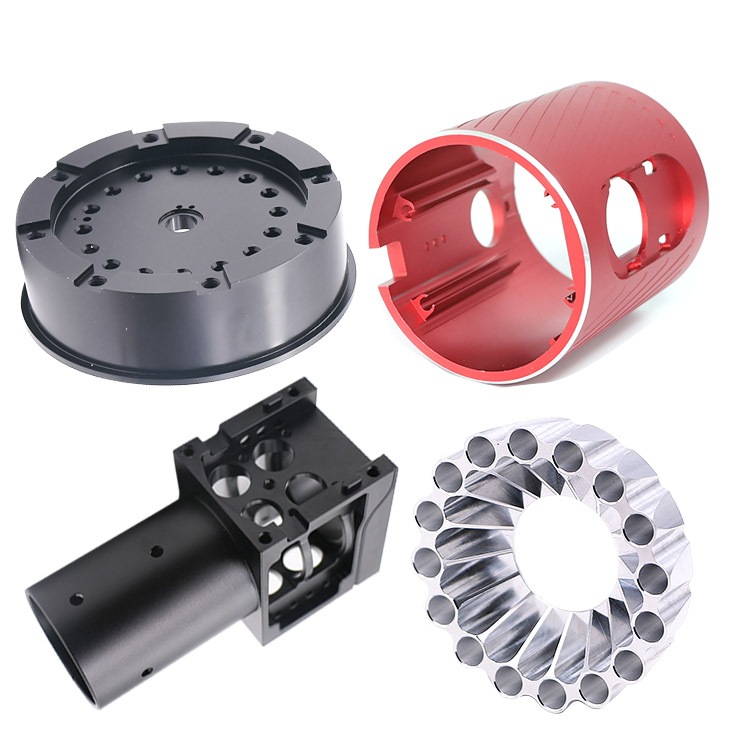
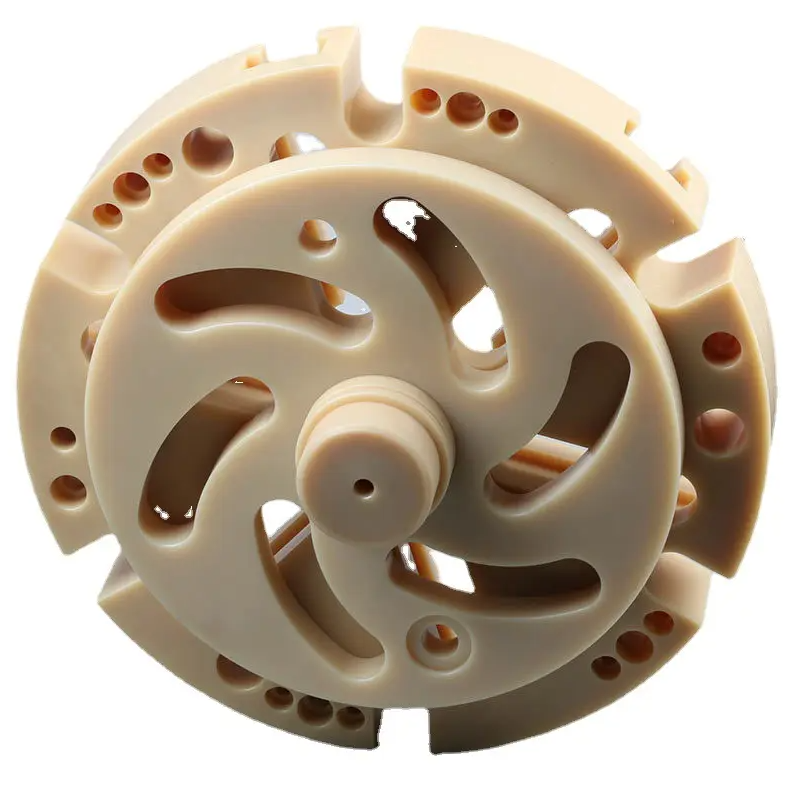
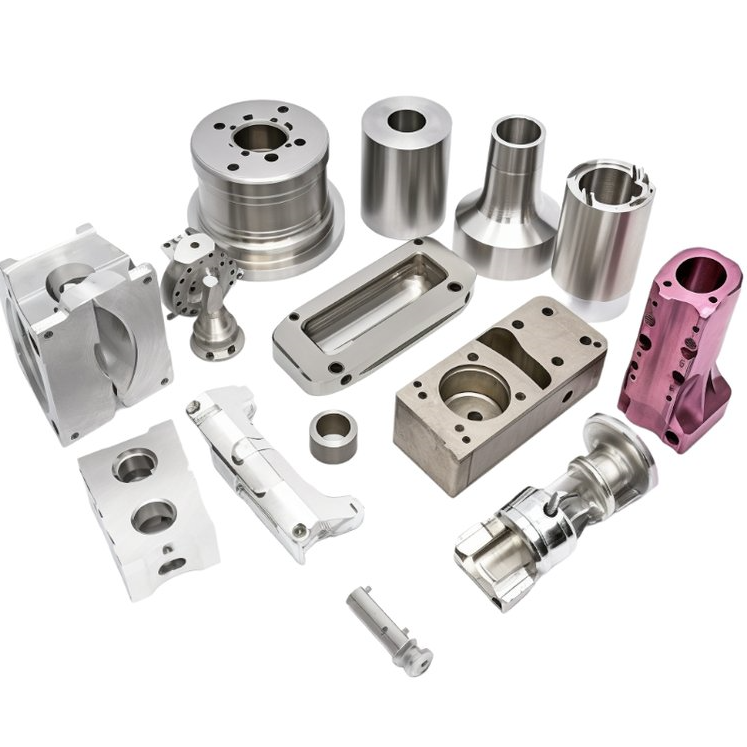
High-precision machining tolerances are crucial in today's manufacturing industry, where the demand for accuracy and quality is constantly increasing. With the advancement of technology, manufacturers are now able to achieve incredibly tight tolerances, enabling them to produce parts and components with exceptional precision and reliability.One company that has established itself as a leader in high-precision machining is {}. As a pioneer in the industry, they have set the standard for precision engineering and machining, catering to a wide range of industries including aerospace, automotive, medical, and defense. Their commitment to excellence and their ability to meet the most stringent machining tolerances have earned them a reputation as a trusted partner for many leading companies around the world.When it comes to high-precision machining, tolerances play a crucial role in determining the quality and performance of the final product. Tolerances refer to the allowable deviation from a specified dimension, and in high-precision machining, even the tiniest deviation can have a significant impact on the functionality and reliability of the part. Achieving tight machining tolerances requires advanced machinery, cutting-edge software, and most importantly, a highly skilled and experienced team of engineers and machinists.{}'s state-of-the-art facility is equipped with the latest CNC machines, 5-axis mills, and Swiss-turn lathes, capable of delivering exceptional precision and accuracy. Their investment in advanced technology has enabled them to push the boundaries of what is achievable in high-precision machining, allowing them to consistently meet the tightest tolerances demanded by their customers.In addition to their cutting-edge machinery, {} also places a strong emphasis on the expertise of their team. Their engineers and machinists undergo rigorous training to hone their skills and stay abreast of the latest advancements in machining technology. This combination of advanced machinery and skilled professionals has positioned {} as a go-to partner for clients with the most demanding precision requirements.The industries that {} serves are known for their stringent quality and performance standards. Whether it's a critical component for an aircraft engine or a medical device that requires absolute precision, the parts manufactured by {} are built to exact specifications, with tolerances that meet or exceed industry standards. Their dedication to quality and precision has earned them numerous accolades and certifications, further solidifying their reputation as a leader in high-precision machining.One of the key factors that sets {} apart from other machining companies is their ability to work with a wide range of materials. From traditional metals like aluminum and stainless steel to exotic alloys and engineered plastics, their expertise extends across various materials, each with its own unique machining challenges. Despite the complexities involved, {}'s team has consistently demonstrated their ability to achieve tight tolerances across diverse materials, catering to the evolving needs of their clients.In an industry where precision is paramount, {} has consistently delivered exceptional results, earning the trust and confidence of their clients. Their track record of meeting the most demanding machining tolerances has positioned them as a preferred partner for companies that value precision, reliability, and quality above all else. As the manufacturing industry continues to evolve, {} remains at the forefront, pushing the boundaries of what is achievable in high-precision machining.With their unwavering commitment to excellence and their ability to consistently meet the tightest machining tolerances, it is clear that {} is poised to remain a leader in the high-precision machining industry for years to come. Their combination of cutting-edge technology, expertise, and dedication to quality sets them apart and makes them a valuable partner for any company seeking the highest levels of precision in their manufacturing processes.
Read More